How Generative-First Feeds Will Redefine Brand Social Strategy
Have you ever wondered what it would be like to live in a penthouse suite overlooking your favorite city?
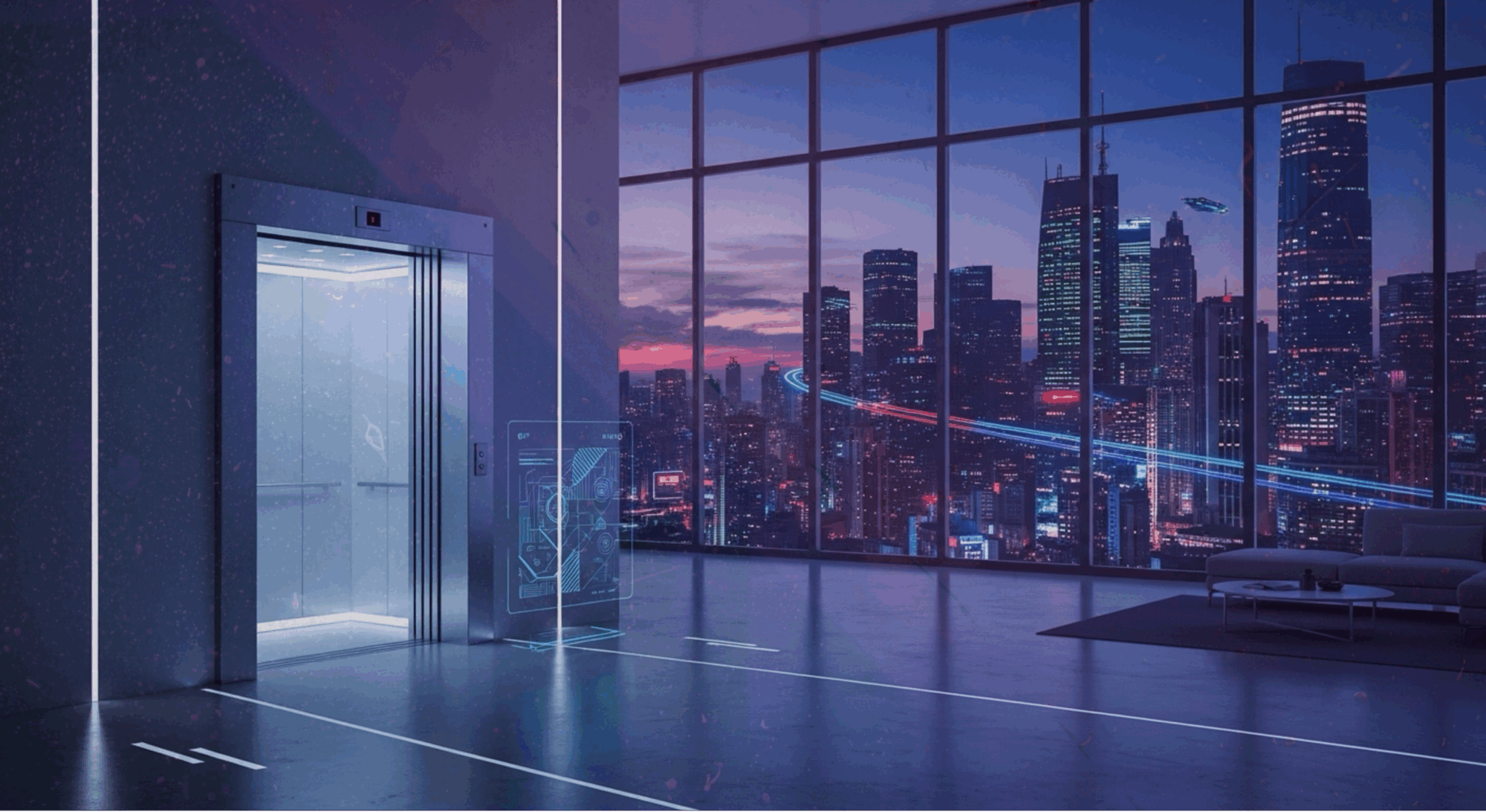
There’s a famous story you may have heard about the invention of the elevator. Before the elevator, the most prestigious floors in a building were the first and second, because nobody wanted to climb ten flights of stairs. Then the elevator came along, and overnight the penthouse became prime real estate. The elevator didn’t just change architecture; it reordered social status.
Social media is on the cusp of its elevator moment. For years, platforms copied each other’s best features: stories here, reels there, a tweet, a thread, a duet. It was a kind of arms race of mimicry. But what we’re seeing now is different. Platforms are no longer satisfied with curating the content we upload. They are now being programmed to generate it themselves.
The Rise of Generative-First Feeds
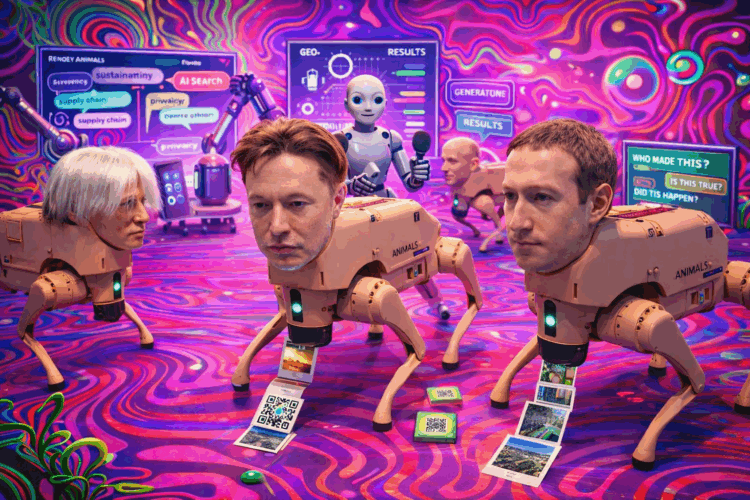
Meta’s Vibes. OpenAI’s Sora 2. These platforms are a declaration. A new kind of feed, one where content isn’t borrowed from you, or me, or some influencer in Los Angeles. It’s conjured. Imagined. Generated in real time, for you alone.
In a generative-first feed, the pipeline stretches seamlessly from text to image to video, algorithm to eyeball. “Farm to table,” you might say, except the farm is an AI model and the table is your endless scroll.
The feed learns. Not just what you “like,” but what you linger on. What you scroll past. What you watch twice at midnight when you can’t sleep. Every pause, every twitch of the finger is a data point that the machine metabolizes into more content.
Why Now?
The answer is deceptively simple: because human-powered content creation doesn’t scale. To flood billions of feeds with fresh material every second of every day is an impossible human task. But for AI? It’s trivial.
And platforms have figured out something else: if they own the creative layer, the actual act of making, then they no longer need us in the same way. They don’t just distribute culture. They produce it.
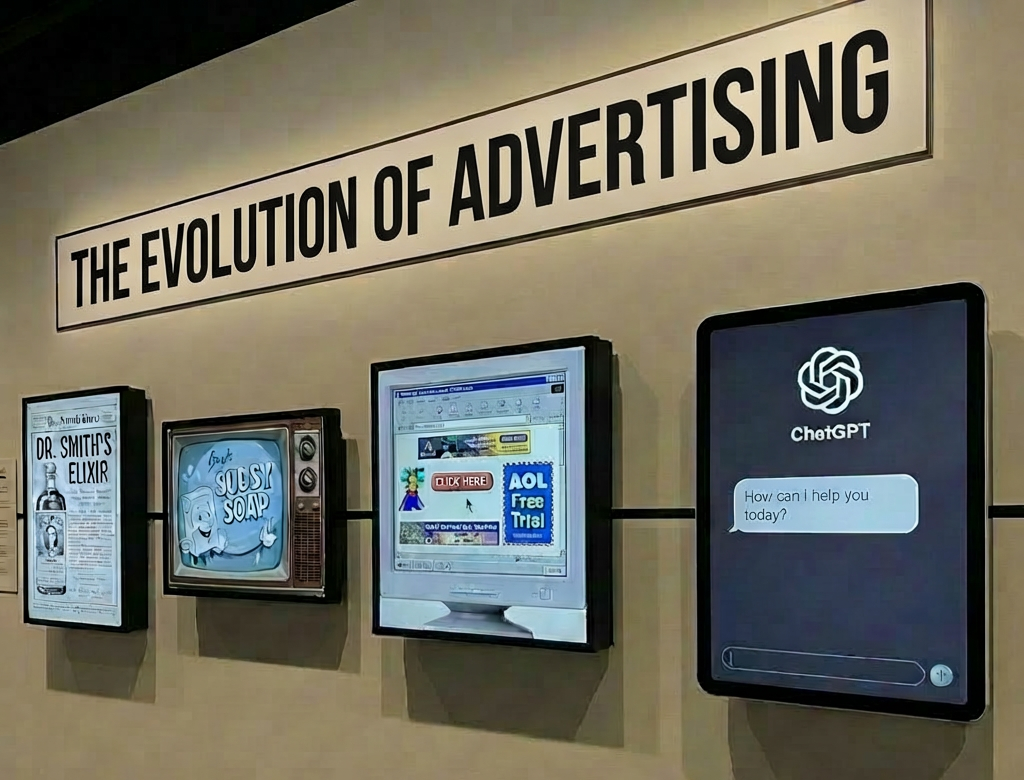
And there’s money in that, eventually. AI-native ads, branded plug-ins, licensing agreements, new marketplaces. While OpenAI admits that the current cost for instant video creation is unsustainable, tech always finds a way to monetize attention. Follow the money, and you’ll find the logic of the shift.
The End of Monoculture
For decades, social media has been the closest thing we’ve had to a global town square.
Moments like the Ice Bucket Challenge or “the dress” debate reminded us that, for all our individual interests, we still occasionally occupy the same cultural space. But generative-first feeds threaten to end that, not through censorship or division, but through personalization taken to its extreme.
When every feed becomes custom-built for a single viewer, shared culture begins to dissolve. There’s no longer one conversation happening at scale, just billions of micro-realities, each tuned to reflect our individual preferences, fears, and fantasies. It’s where monoculture fully erodes. Quietly. Invisibly.
And when that happens, we lose more than collective moments. We lose collective meaning.
The Societal Reckoning
That erosion raises a deeper question: what happens when truth itself becomes hyper-personalized?
If AI can generate infinite versions of “reality,” and platforms can decide which one we see, the line between information and imagination blurs beyond recognition.
Some users will lean into this; craving feeds that feel frictionless and tailored. Others will crave the opposite, a return to spaces, many in real life rather than digital, where real people, not machines, shape the conversation. Either way, the social contract of shared experience begins to fracture.
The Consumer Shift
So where do people go when everything starts to feel synthetic? Maybe they migrate toward smaller, human-first communities. Maybe they rediscover forums, newsletters, or direct exchanges where the signal feels stronger than the noise. Or maybe they stay in generative feeds but start demanding proof, a digital “nutrition label” for human authenticity.
It’s too soon to tell.
The Brand Problem
Here’s where it gets tricky. If AI production explodes, then human voices risk being drowned out. Your brand post? Your influencer campaign? It’s suddenly competing not with other humans, but with an infinite cascade of AI-generated content designed, by definition, to be irresistible.
In this new environment, a brand voice is no longer a stylistic flourish. It’s an existential necessity. In a chorus of synthetic sameness, the voices that stand out will be those that feel unmistakably, undeniably human.
The roles will change too. Today’s content creators may become tomorrow’s prompt engineers, not just producing content but guiding the machine to produce in their image. The new creative act will be less about execution and more about influence.
And then there’s trust. How much do you tell your audience about what’s real and what’s generated? Too little disclosure and you risk backlash. Too much and you risk sounding irrelevant.
The Strategic Pivot
For brands, this isn’t a tactical adjustment. It’s a paradigm shift.
- From production to influence: The question isn’t “How many posts can we make?” It’s “How do we shape the AI’s output?”
- From creators to collaborators: The best teams will pair human imagination with AI speed.
- From visibility to resonance: New metrics won’t count posts. They’ll measure how often your brand voice echoes inside generative ecosystems.
- From ethics as compliance to ethics as strategy: Guardrails around bias, misinformation, and authenticity won’t just be about safety. They’ll be a competitive advantage.
What To Do Today
If this sounds daunting, start small. Discuss and align on brand AI content creation point of view and strategy. Revisit your brand voice, not the mood board, but the essence. Audit your assets and ask: what makes us unmistakable, authentic, transparent?
And, above all, invest in governance. In a world where feeds can manufacture reality, the brands that thrive will be those that can steer, not just surf, the current. This requires policy rigor and content creation structure that can adapt while ensuring adherence to values and voice
The Penthouse Effect
The arrival of generative-first feeds is the elevator moment of digital strategy. It upends the hierarchy, redefines what counts as valuable, and forces everyone to rethink the rules of the building they thought they understood.
The platforms have made their move. They are no longer just the landlords of our attention. They are now the architects. The question for brands is simple: will you learn how to live in the new penthouse, or will you keep climbing the stairs?